







The national coalition is coordinated by FUNSALUD. Working in a complex federal health system, the coalition has made early progress at the state level, supporting the advancement of a pilot state digital health transformation plan. Building on that foundation, the coalition is working to inspire other states to develop similar plans, while strengthening the digital health ecosystem at the federal level. It has also developed evidence-based tools for data governance and interoperability, with work ongoing to support their adoption and use.

Build consensus and promote inter-institutional collaboration.

Advocate for a regulatory framework that drives digital health in Mexico.

Promote investment in infrastructure and interoperability for the digital transformation of Mexican healthcare systems.

Train medical and administrative staff in the use of digital tools and promote digital education among patients.

Monitor indicators for transparency and impact.
Despite advances in connectivity, disparities between urban and rural areas persist, reflecting socio-economic challenges that limit access to technology. In 2021, 18.4% of the urban population did not use the internet, while in rural areas, this percentage rose to 43.5%, equivalent to 21% of the population.

The healthcare system is divided into two sectors: public and private. The public sector includes institutions such as IMSS, ISSSTE, the Ministry of Health, PEMEX, SEMAR, and SEDENA. The private sector encompasses insurance companies and service providers in pharmacies, clinics, and private hospitals. Formal workers are affiliated with IMSS. Parallel institutions exist for federal or state government employees, PEMEX, and the military (SEDENA). The fragmentation of the healthcare sector has resulted in a lack of coordination and effective collaboration between different parts of the healthcare system, making equitable access to healthcare challenging and potentially hindering the implementation of digital solutions in healthcare
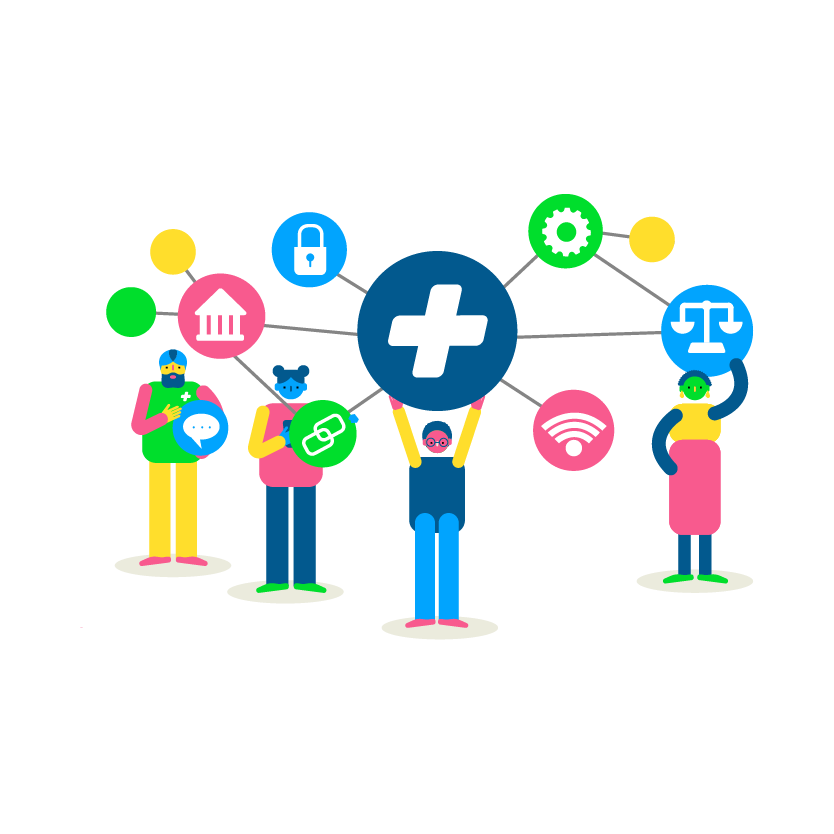
Divergent policy agendas and a lack of understanding of the economic benefits of digital health have hindered the creation of a coherent and unified approach to health digitalization towards a long-term vision. Currently there is no legislative and regulatory framework or incentive structure to encourage collaboration between sectors.

Mexico faces demographic challenges with a fragmented healthcare system receiving only 5.5% of GDP as compared to the recommended. Inadequate resource allocation has led to poor investment in the necessary infrastructure for digital health to make significant progress. Investment in digital health has been sporadic and focused on addressing specific challenges (silo approach) rather than comprehensive, long-term digitalization.