Kenya


The national coalition is coordinated by KELIN. The coalition brings together organisations working across health rights, digital technologies, youth engagement, and community health, and drives significant milestones in Kenya’s digital health transformation, at the national and the county levels. Most notably, it supported Kenya’s enactment of the landmark Digital Health Act and the creation of the country’s first county-level digital health transformation roadmap. The coalition is now engaging with the Council of Governors to develop model digital health roadmap that other 46 counties can customize and adopt, while monitoring the Act’s implementation – including securing dedicated digital health financing at the county level.
Key Objectives

The full implementation of the Digital Health Act enabled by the supporting guidelines and action plans at both the national and county level.

To secure dedicated budget allocations for digital health technologies in the four priority counties in the FY 2025/26 and FY 2026/27 budgets.
The Kenyan Digital Health Landscape
Kenya remains steadfast in her commitment to achieving Universal Health Coverage (UHC) by 2030. Like many African countries, Kenya is off-target in terms of UHC goals. However, the country has made bold steps including the launch of the Social Health Authority (SHA) and Taifa Care, with over 17.8 million registrations, focusing on primary healthcare and community-based services to strengthen the health system. Despite these bold steps, the country still struggles with some challenges.

In the recent past, Kenya has noticeably strengthened its legislative and structural reforms that include enactment of the Social Health Insurance Act, Primary Health Care Act, and Digital Health Act to provide a legal framework for UHC, including the transition from National Hospital Insurance Fund (NHIF) to Social Health Authority (SHA). The Digital Health Act facilitates telemedicine and electronic health records to bridge access gaps, particularly in rural areas, strengthening health data management. However, implementation of these frameworks face challenges including resource limitations, high poverty levels, and the need for stronger health systems among others.

Evidence and tools
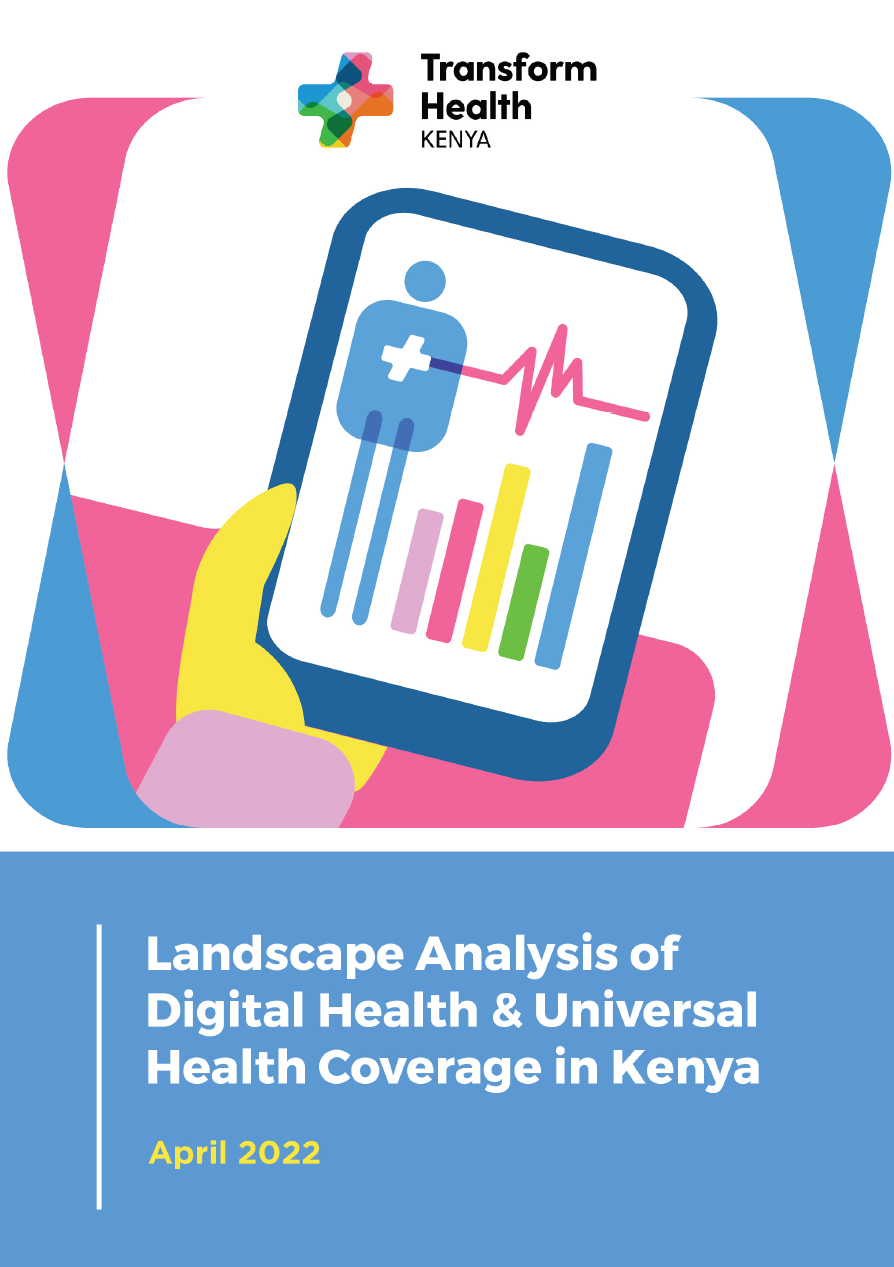
Landscape Analysis of Digital Health & Universal Health Coverage in Kenya

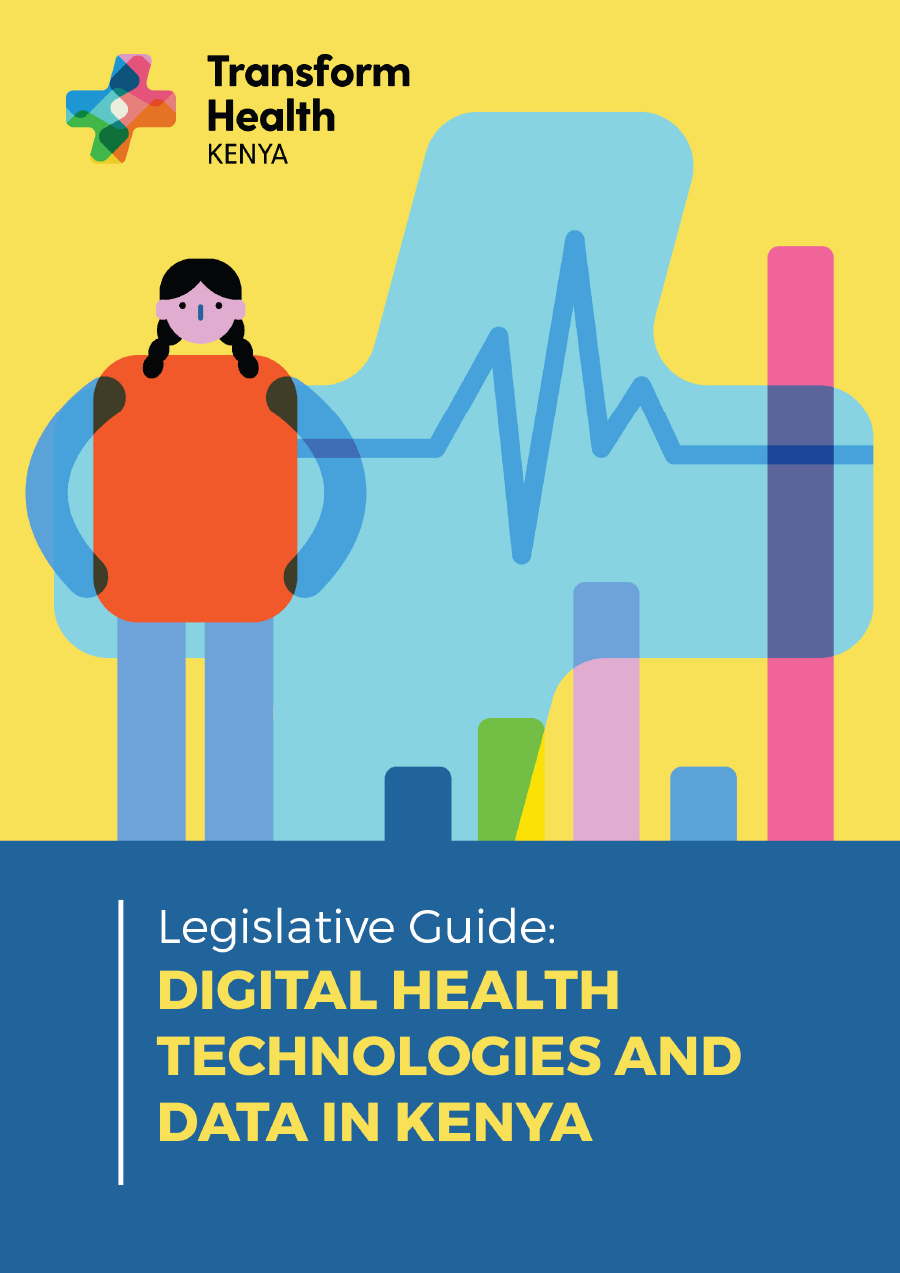
Digital Health Technologies and Data in Kenya
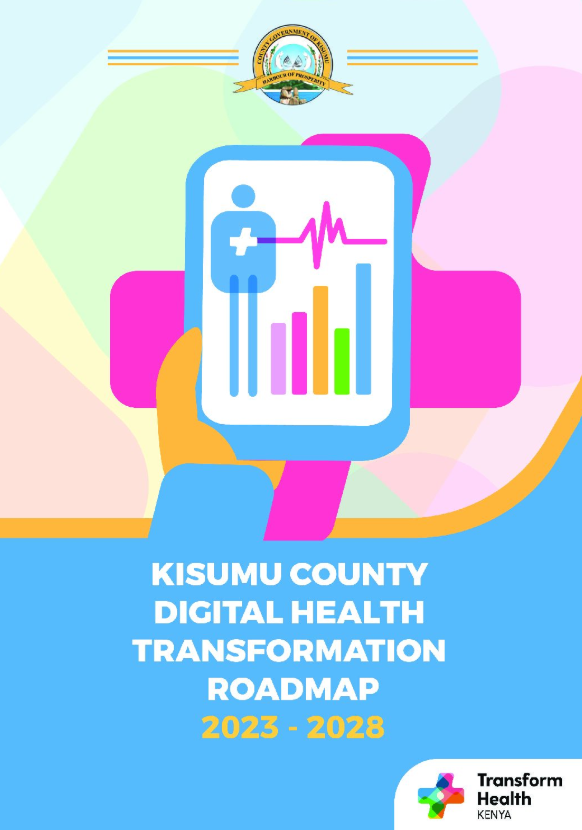
Kisumu County Digital Health Transformation Roadmap: 2023-2028

Analysing and Enhancing Digital Health Standards in Kenya
Landscape analysis of digital health technologies among key populations in Nairobi and Machakos counties in Kenya

Identifying and addressing the critical resources needed for efficient adoption of digital health technologies
Advocating for Digital Health Legislation in Kenya
Other National Coalitions