India
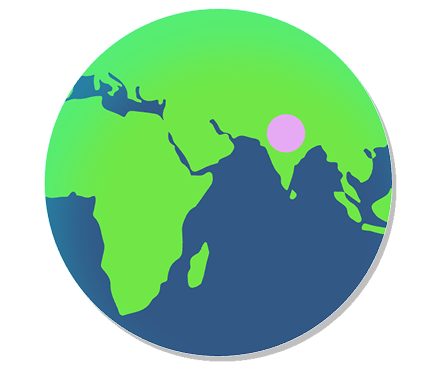

The national coalition is coordinated by PATH India. Focused on Rajasthan, the coalition aims to contribute to streamlining digital health investment, strengthening the implementation of India’s National Digital Health Mission, and supporting the development of a health data governance framework at the state level. While early in its journey, the coalition brings together partners committed to ensuring India’s ambitious national digital health agenda translates into equitable, accountable outcomes.
Key Objectives

Build political will at the state level for strengthened digital health ecosystem

Enhance and streamline digital health investments in the state

Strengthen implementation of Ayushman Bharat Digital Mission (ABDM) for establishing comprehensive digital health ecosystem

Strengthen health data governance framework in Rajasthan using existing resources (assessment tool, model law, implementation guide) to support the process

Expand and strengthen the network of National Coalition in India
The Indian Digital Health Landscape
National Health Policy of India recognises the role of Digital Health technology in ensuring Universal Health Coverage. The policy calls for the establishment of integrated health information systems, the adoption of electronic health records, and the use of digital tools for surveillance, governance, and service delivery. Building on this vision, the Government of India launched the Ayushman Bharat Digital Mission to create a federated digital health architecture that includes unique health IDs (ABHA), interoperable health records, registries of health facilities and professionals, and consent-based data sharing.

The National Digital Health Blueprint (NDHB), 2019 is a strategic document developed by the Government of India to guide the country’s digital health transformation. It offers a comprehensive roadmap to achieve the vision of digital health outlined in the National Health Policy 2017. The blueprint specifies the essential components necessary to create a solid digital health platform, including a federated structure, a five-layered structure, a Unique Health ID (UHID) system, privacy management, consent management, national portability of health records, Electronic Health Records (EHR), standards and regulations, health analytics, and multiple channels of access including portals, applications, and call centers.

India is a vast and diverse country with a population of over 1.4 billion people, supported by more than 5 million healthcare professionals and over 1.2 million healthcare facilities across the public and private sectors. While many of these facilities have adopted digital systems, the landscape remains heterogeneous, with a wide range of technology platforms and solutions in use. ABDM is the Government of India’s flagship initiative to build a robust, interoperable digital health ecosystem that connects patients, providers, and health systems across the country. Overseen by the National Health Authority, ABDM serves as Digital Public Infrastructure-Health for the country that aims to develop the backbone necessary to support the integrated digital health infrastructure of the country. It bridges the existing gap amongst different stakeholders of healthcare ecosystem through digital highways and enables secure, consent-based exchange of health data.

The Digital Personal Data Protection (DPDP) Act, 2023 is a landmark legislation in India establishing a comprehensive framework for digital data privacy. It is an Act to provide for the processing of digital personal data in a manner that recognises both the right of individuals to protect their personal data and the need to process such personal data for lawful purposes and for matters connected therewith or incidental thereto.

With the goal to build an AI ecosystem in India that is inclusive, ethical, globally competitive, with strong indigenous capabilities, the India AI mission was launched by the Government of India in 2024. It focuses on attracting top talent, fostering industry collaboration, supporting impactful AI startups, and promoting ethical AI practices. The Government of India approved the INR 10,372 crore towards the Mission to establish a computing capacity of over 10,000 Graphic Processing Units (GPUs) and develop foundational models with a capacity of more than 100 billion parameters trained on datasets covering major Indian languages for priority sectors like healthcare, agriculture, and governance.
Evidence and tools
Developing a popular mobilisation campaign around digital health and health data governance amongst youth in India

Other National Coalitions